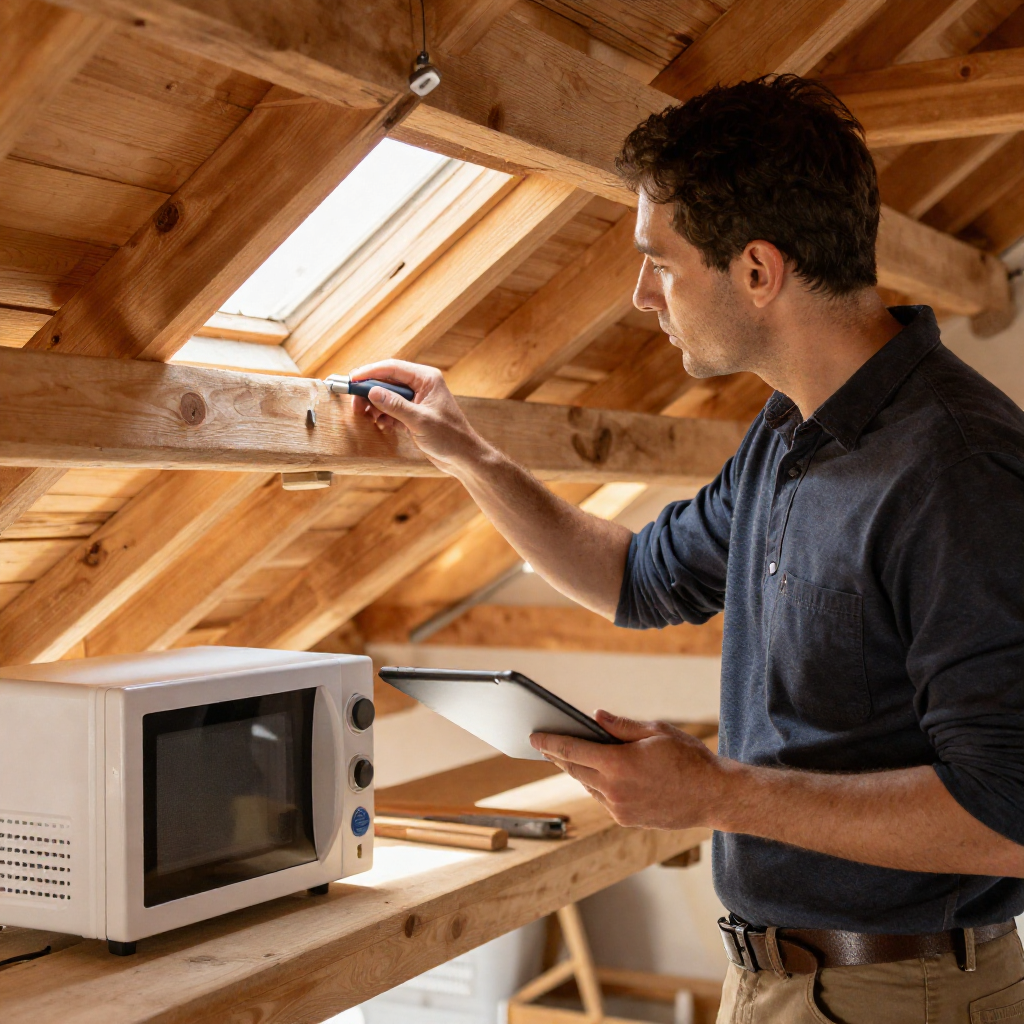
Wooden roof beams are among the most important structural components of a home. They support the roof, distribute weight evenly across the building, and help maintain the structural stability of the entire property. Whether you own a timber-frame house, a log cabin, a heritage building, or a modern wood-framed home, keeping your roof beams in good condition is essential for long-term safety and durability.
Because roof beams are often hidden in attics or roof spaces, problems can develop unnoticed for months or even years. Moisture, wood-boring insects, fungal decay, poor ventilation, and aging can gradually weaken timber if regular inspections are neglected. Fortunately, routine checks and preventive maintenance can identify these issues early, helping homeowners avoid expensive repairs and preserve the structural integrity of their homes.
In this guide, you’ll learn why wooden roof beams require regular inspection, what warning signs to watch for, and how to keep your roof structure in excellent condition.
Why Roof Beams Are So Important
Roof beams are responsible for supporting one of the heaviest parts of any building—the roof itself.
They help:
- Carry roof loads safely.
- Distribute weight across walls.
- Resist wind and weather forces.
- Support insulation and roofing materials.
- Maintain the structural stability of the home.
Any deterioration in these beams should be assessed promptly to prevent more extensive structural problems.
Common Threats to Wooden Roof Beams
Although timber is naturally strong, it can be affected by environmental conditions over time.
Common risks include:
- Woodworm (wood-boring beetles)
- Termites (in some regions)
- Moisture damage
- Fungal decay
- Mold and mildew
- Roof leaks
- Poor ventilation
- Aging timber
Early detection is the key to preventing serious damage.
Moisture Is the Biggest Enemy
Excess moisture is one of the leading causes of timber deterioration.
Common sources include:
- Damaged roofing materials
- Leaking flashing
- Condensation
- Blocked gutters
- Plumbing leaks
- Poor attic ventilation
Persistent dampness may encourage fungal growth and create conditions that are more favorable for certain wood-boring insects.
Why Roof Spaces Often Hide Problems
Unlike exterior walls or flooring, roof beams are rarely seen during daily life.
Because of this, issues such as:
- Small leaks
- Condensation
- Insect activity
- Early fungal decay
may remain unnoticed until visible damage becomes significant.
Routine attic inspections help identify these problems much earlier.
Watch for Signs of Woodworm
Woodworm is one of the most common pests affecting structural timber.
Typical warning signs include:
- Small round exit holes
- Fine powdery wood dust (frass)
- Weak or crumbly timber
- Adult beetles appearing during spring or summer
Not every exit hole indicates an active infestation, so a professional assessment is recommended if you notice these signs.
Look for Signs of Moisture Damage
Inspect roof beams for:
- Water stains
- Dark discoloration
- Soft timber
- Mold growth
- Cracks
- Warping
Moisture problems should always be investigated promptly to prevent structural deterioration.
Check Roof Ventilation
Proper ventilation helps reduce humidity inside the roof space.
Inspect:
- Ridge vents
- Soffit vents
- Roof ventilation openings
- Insulation placement
Good airflow helps keep timber dry throughout the year.
Inspect After Severe Weather
Storms, heavy rain, snow, and strong winds can all affect roof structures.
After severe weather, check for:
- Roof leaks
- Water penetration
- Damaged roofing materials
- Fallen branches
- Damp roof timbers
Early repairs help prevent long-term moisture damage.
Schedule Annual Professional Inspections
While homeowners can perform basic visual checks, a professional inspection provides a more detailed assessment.
A qualified timber preservation specialist or building inspector can evaluate:
- Structural condition
- Hidden moisture
- Pest activity
- Timber movement
- Ventilation effectiveness
- Roof integrity
Annual inspections are particularly valuable for older homes and heritage buildings.
Modern Woodworm Treatment Options
If a woodworm infestation is confirmed, treatment depends on:
- Pest species
- Severity of infestation
- Structural condition
- Accessibility
Professional treatment options include approved chemical products and modern heat-based technologies.
Microwave Woodworm Treatment
One increasingly popular chemical-free option is microwave woodworm treatment.
Professional microwave equipment generates controlled heat inside timber through dielectric heating, raising the internal temperature to levels that eliminate:
- Woodworm larvae
- Beetle eggs
- Pupae
- Adult wood-boring beetles
Benefits
- Chemical-free
- No pesticide residues
- Targeted treatment
- Environmentally responsible
- Suitable for many heritage buildings
- Preserves original timber whenever possible
A timber preservation specialist can determine whether this treatment is suitable for your roof structure.
Preventive Maintenance Tips
Protect your roof beams by:
- Inspecting the attic regularly.
- Repairing roof leaks immediately.
- Cleaning gutters and downpipes.
- Maintaining roof ventilation.
- Monitoring indoor humidity.
- Addressing condensation promptly.
- Scheduling professional inspections.
Consistent maintenance significantly extends the lifespan of structural timber.
Wooden Roof Beams vs. Neglected Roof Structures
| Well-Maintained Roof Beams | Poorly Maintained Roof Beams |
|---|---|
| Dry and structurally sound | Moisture damage may develop |
| Better ventilation | Condensation can accumulate |
| Early pest detection | Hidden infestations may spread |
| Lower repair costs | Repairs may become more extensive |
| Longer service life | Structural deterioration may occur over time |
Preventive care is always more cost-effective than major structural repairs.
Common Myths About Roof Beam Maintenance
Myth 1: Roof Beams Never Need Inspection
Fact: Roof spaces often conceal moisture, pests, and structural issues that may not be visible from inside the home.
Myth 2: Dry Timber Can’t Develop Problems
Fact: Dry timber is generally less attractive to many wood-boring insects, but regular inspections are still important because leaks or changing environmental conditions can alter the moisture level over time.
Myth 3: Only Old Homes Need Roof Inspections
Fact: Both new and older timber homes benefit from regular roof inspections, particularly after severe weather events.
When Should You Contact a Professional?
Professional advice is recommended if you notice:
- Fresh frass beneath roof beams.
- New exit holes.
- Soft or weakened timber.
- Persistent roof leaks.
- Water stains.
- Visible mold.
- Signs of structural movement.
- Suspected woodworm activity.
A qualified timber preservation specialist can inspect the roof structure, identify the underlying cause, and recommend the most appropriate maintenance or treatment plan.
Conclusion
Wooden roof beams are essential to the safety and stability of any timber home, yet they are often overlooked because they remain hidden in roof spaces. Regular inspections allow homeowners to detect moisture problems, woodworm activity, ventilation issues, and early structural deterioration before they become expensive repairs. Combined with proper maintenance, these inspections help preserve the strength and longevity of your roof.Visit online https://www.shashel.eu for more details .